
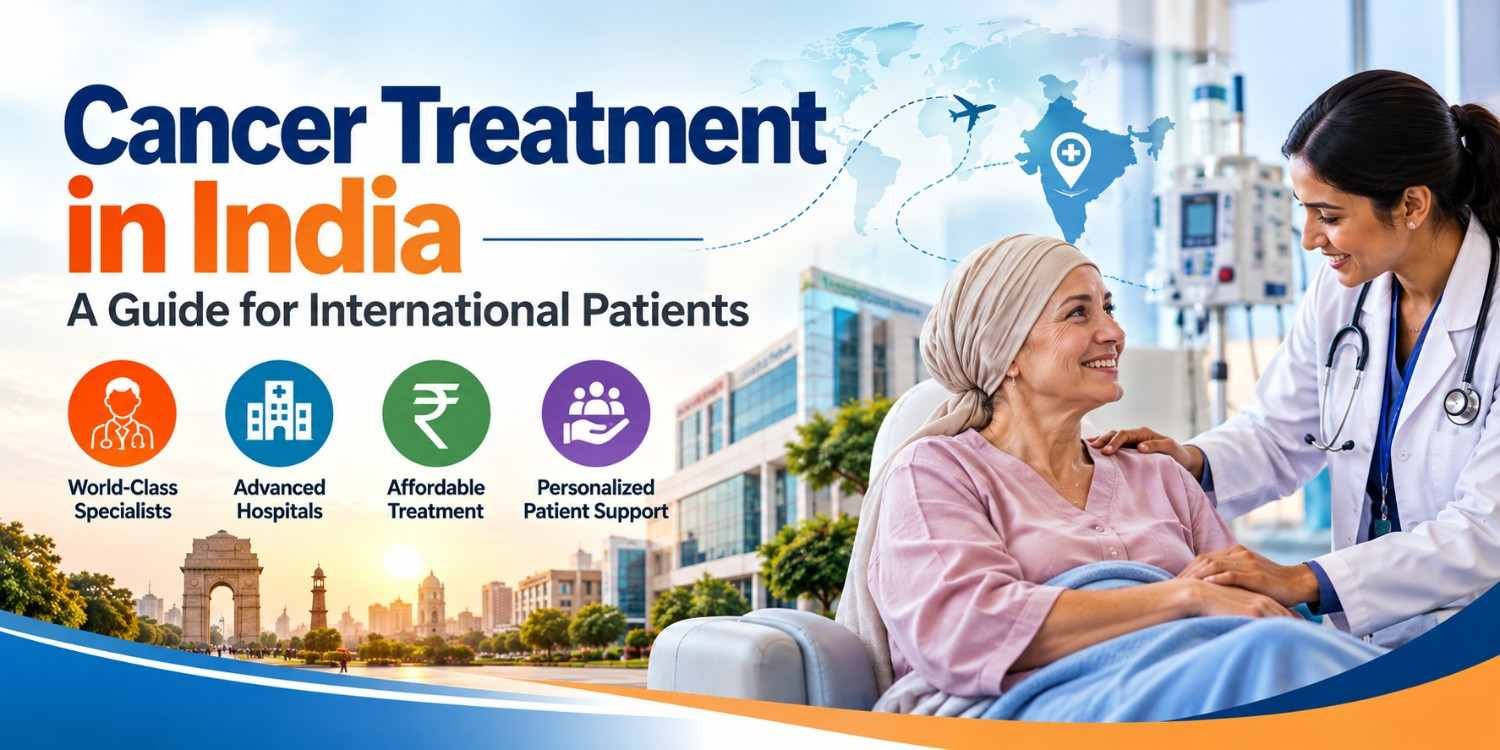

Quick answer: India offers advanced cancer treatment, including surgery, chemotherapy, radiation therapy, immunotherapy, targeted therapy, bone marrow transplant and proton therapy, at NABH and JCI accredited hospitals. Costs are often much lower than in the US, UK or Gulf countries, waiting times are short, and international patients can usually begin treatment within days of arrival on an Indian e-Medical visa.
A cancer diagnosis changes everything. Alongside the shock, families face hard practical questions: Where can we get the best care? How soon can treatment start? Can we afford it? For many patients from Africa, the Middle East, Central Asia, South Asia and beyond, the answer has been India.
This guide explains what cancer treatment in India looks like, which therapies are available, how to choose a hospital, and how to plan the trip so you can focus on getting well.
Why International Patients Choose India for Cancer Care
Patients do not travel across borders for treatment lightly. These are the reasons we hear most often from the families we support:
- Shorter waiting times. In many countries, patients wait weeks for a scan or months for surgery. In India, consultations and diagnostic tests are often completed within the first few days.
- Lower cost without lower standards. Treatment at accredited Indian hospitals often costs a fraction of the price in Western countries, which can make complete treatment possible rather than partial.
- Experienced oncologists. Large cancer centres in India treat very high patient volumes. Many senior oncologists have trained or worked in the US, UK and Europe.
- Modern technology. Leading hospitals use PET-CT, robotic surgery, advanced radiation machines and, in some centres, proton therapy.
- Team-based decisions. Most major cancer hospitals use a tumour board, where surgeons, medical oncologists, radiation oncologists and pathologists review each case together before recommending a plan.
- Support for foreign patients. International patient desks, interpreters and help with visas and accommodation make the process easier for families.
Types of Cancer Treated in India
Accredited cancer hospitals in India treat almost every type of cancer in adults and children, including:
- Breast cancer
- Lung cancer
- Head and neck cancers (mouth, throat, larynx, thyroid)
- Colorectal, stomach and liver cancers
- Pancreatic cancer
- Prostate, kidney and bladder cancers
- Cervical, ovarian and uterine cancers
- Brain and spinal tumours
- Blood cancers such as leukaemia, lymphoma and multiple myeloma
- Bone and soft tissue sarcomas
- Childhood cancers
Cancer Treatment Options Available in India
Most patients receive a combination of treatments. Your oncologist will recommend a plan based on the cancer type, its stage, and your overall health.
Surgical oncology
Surgery removes the tumour and nearby affected tissue. Indian hospitals offer open surgery as well as minimally invasive options such as laparoscopic and robotic surgery, which usually mean smaller cuts, less pain and faster recovery.
Chemotherapy
Chemotherapy uses medicines to kill cancer cells or slow their growth. It may be given before surgery to shrink a tumour, after surgery to reduce the chance of return, or as the main treatment. Cycles are usually given every one to four weeks, often as day-care treatment.
Radiation therapy
Radiation targets cancer cells with high-energy beams. Advanced techniques available in India include IMRT, IGRT, SBRT and SRS, which focus radiation precisely on the tumour while protecting healthy tissue around it. A course of radiation can range from a single session to six or seven weeks.
Proton therapy
Proton therapy is a highly precise form of radiation that limits damage to nearby organs. It is especially useful for certain childhood cancers, brain tumours and cancers close to sensitive structures. Only a few centres in India offer it, so ask early whether it is suitable for you.
Immunotherapy and targeted therapy
Immunotherapy helps your own immune system recognise and attack cancer. Targeted therapy acts on specific genes or proteins that help cancer grow. Both are now widely available in India and are often guided by genetic or molecular testing of the tumour.
Bone marrow transplant
A bone marrow (stem cell) transplant is used for many blood cancers and some other conditions. India has a strong record in both autologous (using your own cells) and allogeneic (using a donor's cells) transplants, including half-matched donor transplants when a fully matched donor is not available.
CAR-T cell therapy
CAR-T therapy reprograms a patient's own immune cells to fight certain blood cancers. India now has its own approved CAR-T therapy, which has made this treatment far more affordable than before. Eligibility is limited to specific cancers, so your haematologist will advise.
Palliative and supportive care
Good cancer care also means managing pain, nausea, nutrition, emotional stress and fatigue. Many Indian cancer centres have dedicated palliative care, nutrition and counselling teams.
What Does Cancer Treatment in India Cost?
There is no single price for cancer treatment, because every plan is different. The cost depends on:
- Type and stage of cancer
- The combination of treatments needed
- Number of chemotherapy cycles or radiation sessions
- Medicines used, especially immunotherapy and targeted drugs
- Hospital and city
- Length of hospital stay and any complications
What patients can expect is significant savings compared with many other countries, together with clear written estimates. Always ask for a detailed breakdown, and check what is included: consultations, tests, surgery, medicines, room charges and follow-up scans.
The most reliable way to know the cost of cancer treatment in India for your case is to share your reports and get a personalised estimate. CureTours India arranges this free of charge from multiple accredited hospitals.
How to Choose the Right Cancer Hospital in India
The right hospital matters more than the cheapest quote. Look for:
- Accreditation – NABH or JCI accreditation shows the hospital meets recognised safety and quality standards.
- A dedicated cancer centre – with surgical, medical and radiation oncology under one roof.
- A tumour board – so your case is reviewed by a full team, not one doctor.
- Specialist experience – ask how many cases like yours the oncologist treats each year.
- Technology – PET-CT, modern radiation machines, robotic surgery and molecular testing where needed.
- International patient support – interpreters, a coordinator and help with visas and accommodation.
Step-by-Step: Planning Cancer Treatment in India
1. Share your medical reports
Send your biopsy and pathology report, recent scans (CT, MRI or PET-CT, ideally with image files), blood tests, and details of any treatment you have already had.
2. Get opinions and a treatment plan
Oncologists review your case and suggest a plan, expected duration and cost estimate. Comparing two or three opinions is common and sensible.
3. Confirm the hospital and travel date
Once you choose, the hospital issues a medical invitation letter for your visa.
4. Apply for an e-Medical visa
Patients apply for the Indian e-Medical Visa online through the official Government of India portal (indianvisaonline.gov.in). In 2026, India expanded the e-Medical visa to citizens of 176 countries and extended its validity to one year, which helps cancer patients who need repeat visits for chemotherapy cycles, scans or follow-up. Up to two family members can generally accompany the patient on e-Medical Attendant Visas. Rules can vary by nationality, so always confirm on the official portal.
5. Book flights and accommodation
Choose flexible tickets, as treatment schedules can change. Stay close to the hospital, since chemotherapy and radiation involve frequent visits.
6. Arrive and begin treatment
After airport pickup, your first consultation and any repeat tests usually happen within one to three days. The final plan and cost are confirmed after these tests.
How Long Will You Need to Stay in India?
Stay length varies widely. As a general guide:
|
Treatment |
Typical stay in India |
|---|---|
|
Diagnosis, second opinion and treatment planning |
5–10 days |
|
Cancer surgery |
2–4 weeks |
|
Course of radiation therapy |
1–7 weeks |
|
Chemotherapy |
Depends on cycles; some patients return home between cycles |
|
Bone marrow transplant |
6–12 weeks |
|
CAR-T cell therapy |
4–8 weeks |
Your oncologist will give a timeline specific to your case. In some situations, part of the chemotherapy can continue in your home country under a local oncologist, with your Indian doctor guiding through teleconsultations.
Life During Treatment: Practical Tips for Families
- Plan for an attendant. Cancer treatment is demanding. Having a family member with you helps with daily care, meals and emotional support.
- Pay attention to food and hygiene. Patients on chemotherapy have lower immunity. Choose clean accommodation and freshly cooked, hygienic food.
- Ask about diet needs. Halal, vegetarian and other dietary needs can be arranged in most cities.
- Keep a treatment file. Store all reports, prescriptions and bills in one folder, printed and digital.
- Look after mental health. Counselling and support groups are available at many cancer centres. It is normal to need help.
Follow-Up Care After You Return Home
Cancer care does not end when you fly back. Before leaving India, make sure you have:
- A detailed discharge summary and treatment record
- A schedule for follow-up scans and blood tests
- Prescriptions with generic medicine names
- Contact details for your oncologist and patient coordinator
- A plan for teleconsultations and, if needed, future visits
How CureTours India Supports Cancer Patients
At CureTours India, we help international patients and their families through every stage of cancer treatment in India:
- Free review of reports and opinions from senior oncologists
- Transparent estimates from NABH and JCI accredited cancer hospitals
- Visa invitation letter support for patients and attendants
- Airport pickup, accommodation near the hospital and local transport
- Interpreters and a dedicated patient coordinator
- Follow-up support and teleconsultations after you return home
If you or someone you love has been diagnosed with cancer, share the reports with our team. We will help you understand your options clearly, with no pressure to decide.
Frequently Asked Questions
Is cancer treatment in India good for international patients?
Yes. India has many NABH and JCI accredited cancer hospitals with experienced oncologists, modern technology and international patient services. Patients from many countries travel to India for faster, more affordable cancer care.
How much does cancer treatment cost in India?
Cost depends on the cancer type, stage and treatment plan. Treatment in India is usually far less expensive than in the US, UK or Gulf countries. The best way to know your cost is to share your reports and get a personalised written estimate.
What cancer treatments are available in India?
Indian hospitals offer cancer surgery, including robotic surgery, chemotherapy, advanced radiation therapy, proton therapy, immunotherapy, targeted therapy, bone marrow transplant, CAR-T cell therapy and palliative care.
How quickly can cancer treatment start in India?
Most international patients have their first consultation and tests within one to three days of arrival. Treatment often begins within the first week once the plan is confirmed.
Which visa do I need for cancer treatment in India?
Patients need an Indian e-Medical Visa, applied for online on the official Government of India portal. Family members travelling with the patient need e-Medical Attendant Visas. Up to two attendants are generally allowed.
Is proton therapy available in India?
Yes. A small number of hospitals in India offer proton therapy. It is suitable for selected cancers, such as some childhood cancers and brain tumours. Your oncologist will advise whether it is right for you.
Can I continue chemotherapy in my home country?
In many cases, yes. After the main treatment is planned or started in India, some patients continue chemotherapy at home under a local oncologist, with follow-up guidance from their Indian doctor.
What reports should I send for a cancer treatment opinion?
Send your biopsy and pathology report, recent CT, MRI or PET-CT scans, blood test results, and details of any surgery, chemotherapy or radiation you have already had.
Disclaimer: This article is for general information only and is not medical advice. Treatment plans, outcomes and costs vary for each patient. Please consult a qualified oncologist and check official government sources for visa rules before travelling.